ADU Seattle Guide: Backyard Cottages, DADUs, and Resale Value
If you own a house in Seattle, there is a good chance you can add a second, or even third, home on the same lot. That is the promise of an ADU in Seattle: an accessory dwelling unit that can house family, bring in rental income, or give you flexible space as life changes. Seattle has become one of the more ADU-friendly cities in the country, and statewide reforms have pushed in the same direction. Here is a plain-English guide to the types of units, how the permit process works in general terms, and what an ADU can mean for your finances and future resale.
What Is an ADU in Seattle?
An accessory dwelling unit is a smaller, self-contained living space on the same lot as a main house. It typically has its own entrance, kitchen, and bathroom. Seattle recognizes two main types.
Attached ADUs (AADUs)
An attached ADU lives inside or connected to the main house. Common examples include a converted basement apartment, an addition off the back of the home, or a unit over an attached garage. Because the structure often already exists, attached ADUs can sometimes be less expensive to create, although basement conversions in older homes may require work on ceiling heights, egress windows, and moisture control.
Detached ADUs (DADUs or Backyard Cottages)
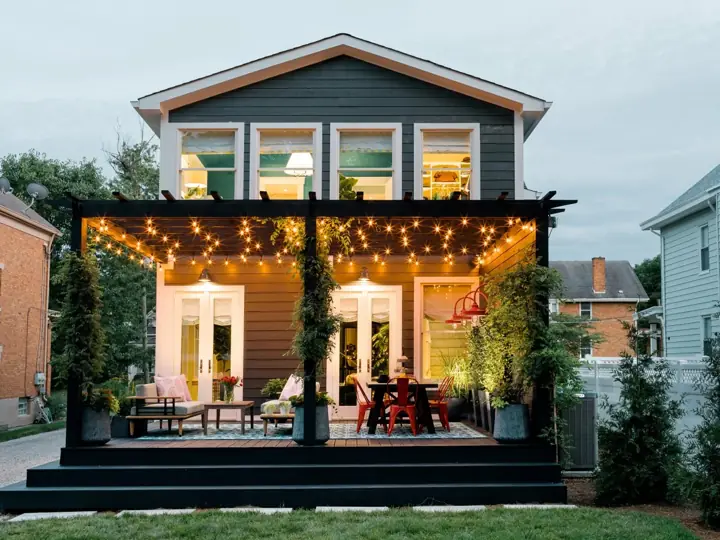
A detached ADU is a separate structure, usually in the backyard. Seattle residents often call these backyard cottages. A DADU can be a newly built cottage, a converted garage, or even a prefabricated unit. Detached units offer more privacy for both households, which can make them attractive to renters and to multigenerational families.
How Seattle's Rules Have Changed
In 2019, Seattle relaxed its ADU rules significantly. Among the changes, many single-family lots became eligible for up to two accessory units, such as one attached and one detached, and some earlier barriers like off-street parking and owner-occupancy requirements were eased. The goal was to make it easier for homeowners to add housing in established neighborhoods.
At the state level, Washington's 2023 middle-housing law, HB 1110, expanded where duplexes, triplexes, and fourplexes can be built in many cities, including Seattle. Cities have been updating their codes in response, so the options available on a given lot continue to evolve. For homeowners, the takeaway is that there may be more ways to add housing to your property than there were a few years ago, but the details depend on current local code.
The Permit Process, in General Terms
New dwelling units in Seattle are reviewed and permitted by the Seattle Department of Construction and Inspections (SDCI). While specifics vary by project, the path usually looks something like this:
- Feasibility: Confirm your lot's zoning, size, setbacks, and any environmental constraints like steep slopes or trees that may affect placement.
- Design: Work with an architect, designer, or ADU builder to develop plans. Some firms offer pre-designed cottage plans that can simplify this step.
- Permit application: Submit plans to SDCI for review. Expect possible correction cycles before approval.
- Construction and inspections: Build the unit with required inspections along the way.
- Final approval: Once the final inspection passes, the unit is legally recognized as a dwelling.
Timelines and costs vary widely depending on the project, the builder, and permit volume. Get multiple quotes and ask builders for examples of completed Seattle ADUs.
Rental Income Potential
For many homeowners, the biggest appeal of an ADU is the potential to offset a mortgage with rental income. A self-contained unit can attract long-term renters looking for something quieter than an apartment building. Detached cottages with private entrances and outdoor space tend to be especially appealing.
Before you count on rental income, consider:
- Construction costs and financing: How long will it take for rent to cover what you spend?
- Landlord responsibilities: Seattle has tenant protections and rental registration requirements, so understand them before you become a landlord.
- Taxes and insurance: Rental income and a new structure can affect your taxes and insurance. Talk with a tax professional and your insurer.
- Your own privacy: Think about shared yards, parking, noise, and how close you want a tenant to be.
ADUs and Resale Value
A legally permitted, well-built ADU can broaden your pool of future buyers. Some buyers want a mortgage helper, others want space for aging parents or adult children, and many want a separate home office or studio. That flexibility can make a property stand out.
A few cautions apply. An unpermitted unit may not be treated as a legal dwelling, may raise questions during a buyer's inspection or appraisal, and could require costly corrections. Quality also matters. A thoughtfully designed cottage that complements the main house will usually present better than a rushed conversion. If you are planning to sell within a few years, talk with a local agent about how an ADU might affect your home's appeal in your specific neighborhood. Our guide to selling your Seattle home covers other ways to prepare.
Buying a Home With ADU Potential
If you are shopping for a home, ADU potential can be a smart thing to evaluate. Look for lots with alley access, flat backyards, a detached garage that could be converted, or a basement with a separate entrance and good ceiling height. Older neighborhoods like Ballard and Wallingford, where many lots have alleys and mature backyards, often come up in these conversations. Some current Seattle listings already include permitted ADUs or DADUs.
Is an ADU Right for You?
An ADU can be a powerful way to add housing, flexibility, and long-term value to a Seattle property, but it is a real construction project with real costs. Start with a feasibility check, talk to experienced builders, and think carefully about how you will use the space. Whether you want to buy a home with ADU potential or understand how an existing unit affects your sale, get in touch with our team for local, practical guidance.
Frequently Asked Questions
What is the difference between an ADU and a DADU in Seattle?
An ADU, or attached accessory dwelling unit, is a separate living space inside or connected to the main house, such as a basement apartment. A DADU, or detached accessory dwelling unit, is a standalone structure on the same lot, often called a backyard cottage.
Can I have more than one ADU on my Seattle lot?
Since Seattle updated its rules in 2019, many lots can have up to two accessory units, for example one attached and one detached. Whether your property qualifies depends on its zoning, size, and layout, so check with the Seattle Department of Construction and Inspections or a qualified designer.
Does an ADU increase home value in Seattle?
A well-built, legally permitted ADU can make a property more appealing to buyers who want rental income, space for family, or a home office. The impact varies by home and neighborhood, and unpermitted units can create problems at sale.
Do I need a permit to build a backyard cottage in Seattle?
Yes. Creating a new dwelling unit, attached or detached, requires permits reviewed by the Seattle Department of Construction and Inspections. Working with an experienced designer or builder can help you navigate the process.
Can I rent out my ADU?
Many Seattle homeowners rent their ADUs long term, and some use them for guests or family. Rental rules, landlord obligations, and tax treatment vary, so talk with the city and a tax professional before you list it.