Condo vs Townhouse Seattle: Which Home Type Fits You Best?
The condo vs townhouse Seattle question, plus whether to hold out for a single-family house, comes down to a few big questions: how much maintenance you want to handle, how comfortable you are with HOA rules and dues, and which neighborhoods you love. Condos usually offer the lowest-maintenance lifestyle and urban locations. Townhomes often give you newer construction and more space without the price of a detached home. Single-family houses offer the most control and privacy, along with the most upkeep. Here is how each compares.
A Quick Condo vs Townhouse Seattle Comparison
| Condo | Townhouse | Single-Family | |
|---|---|---|---|
| What you own | Your unit plus a share of common elements | Varies: often your unit and a small lot, sometimes a condo-style unit | The house and the land |
| HOA | Almost always | Sometimes, or a shared maintenance agreement | Rarely |
| Exterior maintenance | Usually handled by the association | Depends on the structure | All yours |
| Typical locations | Capitol Hill, South Lake Union, downtown | Ballard, Fremont, Greenwood | Wallingford, Magnolia, West Seattle |
Condos: Convenience With Shared Responsibility
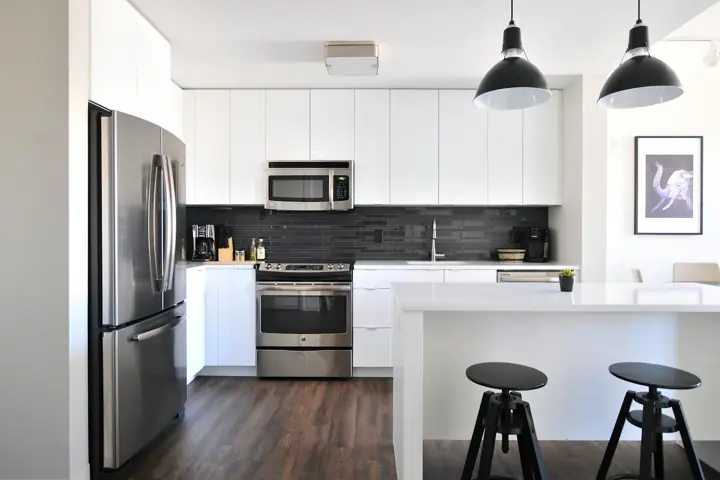
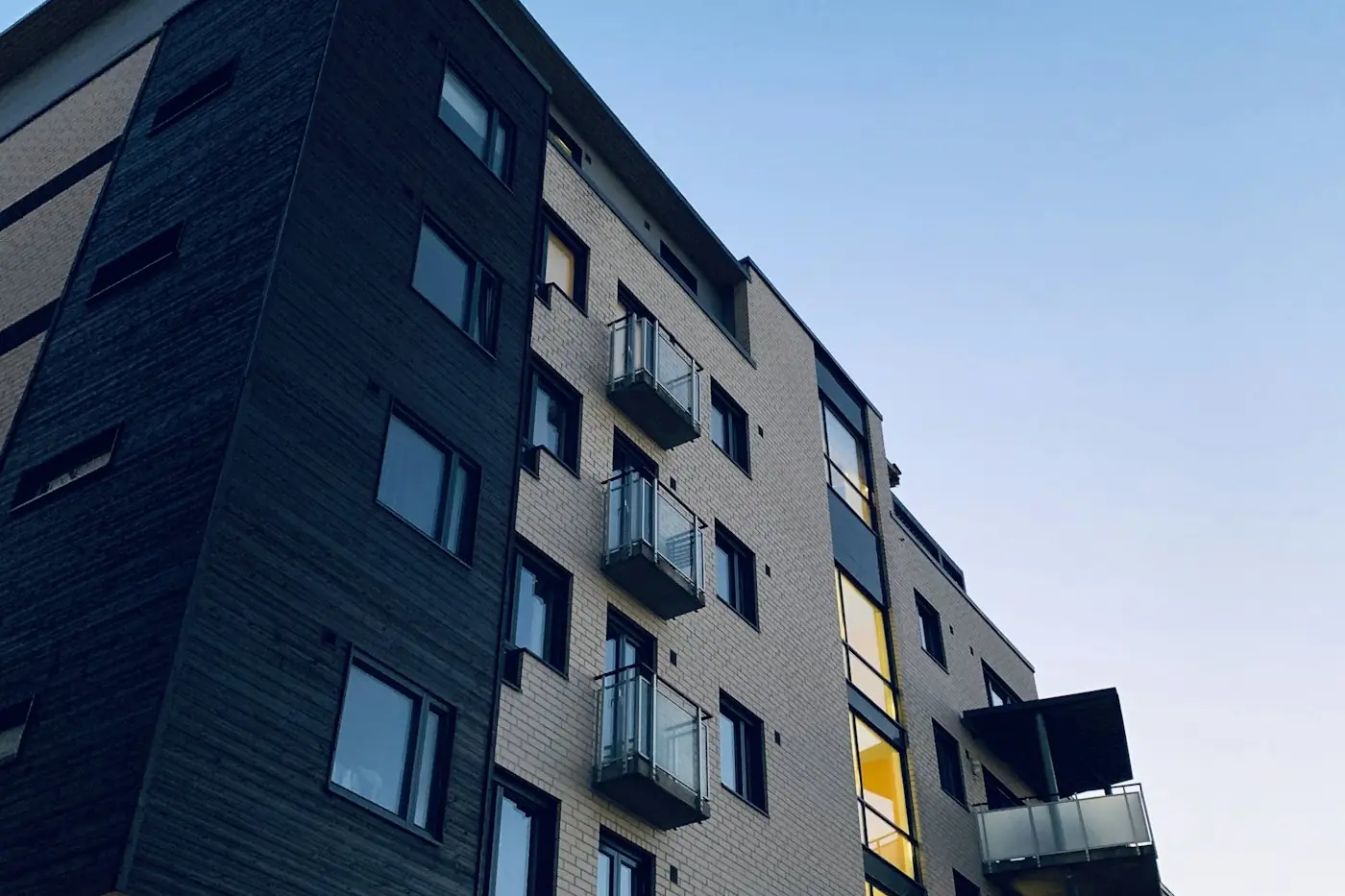
When you buy a condo, you own your individual unit and an undivided share of the common elements, such as hallways, roof, elevators, and grounds. The condominium association manages and maintains those shared spaces, funded by monthly dues.
Understanding HOA Dues and Reserves
Dues typically cover building insurance for common areas, maintenance, utilities like water and garbage in some buildings, management, and contributions to a reserve fund. The reserve fund pays for big, predictable projects like roof replacement, elevator modernization, or exterior repairs.
Low dues are not automatically good news. A building that keeps dues artificially low may be underfunding reserves, which can lead to large special assessments later.
Questions to Ask a Condo Association
- Is there a current reserve study, and how well funded are the reserves compared to its recommendations?
- Are any special assessments planned, approved, or being discussed?
- Has the building had major repairs, such as envelope or water intrusion work?
- Is there any pending litigation involving the association?
- What are the rules on rentals, pets, and renovations?
- What does the master insurance policy cover, and what is the deductible?
In Washington, the seller typically provides a resale certificate with key association information. Read it closely, along with recent budgets and meeting minutes, which often reveal upcoming projects. Your lender will also review the building, since some loan programs require condo project approval.
Condos are especially common in Capitol Hill, South Lake Union, and downtown, where walkability and transit access are big draws.
Townhomes: The Seattle Middle Ground
Townhomes have become a defining part of Seattle's housing landscape, particularly in neighborhoods like Ballard, Fremont, and Greenwood. Many were built on lots that once held a single older house, replaced by several multi-story homes.
Ownership Structures Vary
Not all townhomes are owned the same way, and this matters:
- Fee simple on a unit lot. Many newer Seattle townhomes sit on their own small parcel created through a unit lot subdivision. You own your home and the land under it, often with shared access easements and a maintenance agreement for common areas like driveways or walkways.
- Condominium townhomes. Some townhomes are legally condos, even though they look like separate houses. In that case, you own the unit and share common elements through an association, much like a condo building.
The structure affects financing, insurance, who maintains the roof and siding, and whether there are dues. Always review the recorded plat, declaration, or maintenance agreement before you commit.
Practical Considerations
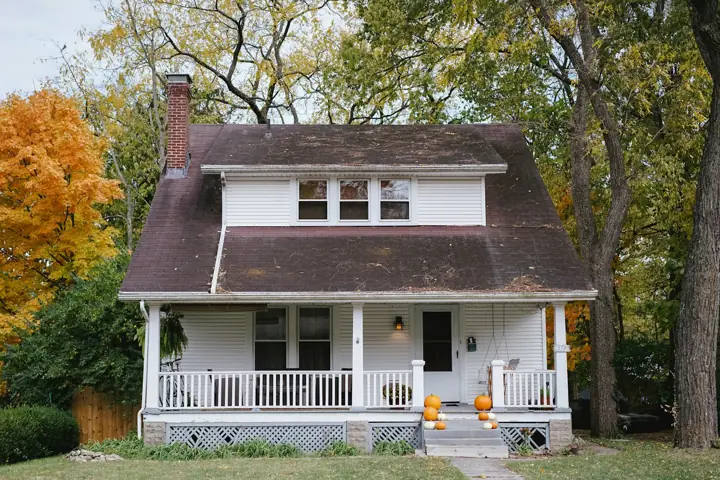
Townhomes often have three or four levels, so think about stairs now and in the future. Parking can be a single-car garage, a pad, or street parking. Rooftop decks are common and can come with views, but check waterproofing and maintenance responsibilities.
Single-Family Homes: Space, Privacy, and Upkeep
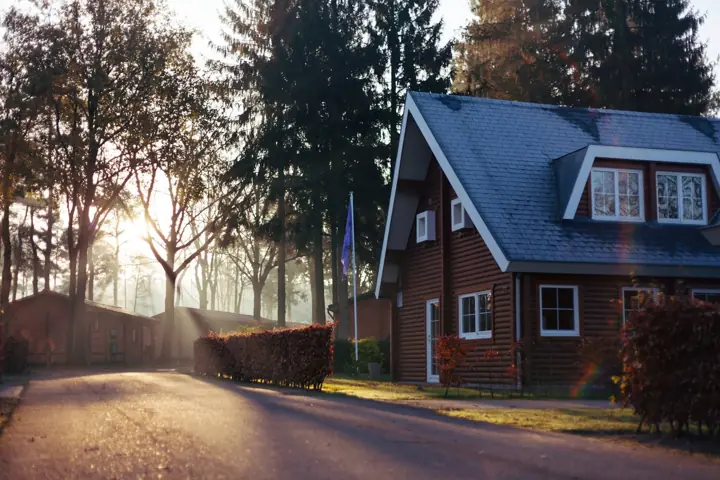
A detached house gives you the most freedom. You can garden, renovate within code, and in many cases add an accessory dwelling unit, since Seattle allows both attached ADUs and backyard cottages. The Seattle Department of Construction and Inspections handles permits and has details on what your lot allows. Washington's 2023 middle-housing law has also expanded where duplexes and fourplexes can be built, which may affect what neighbors build or what your own lot could hold someday.
The tradeoff is responsibility. You handle the roof, gutters, moss, drainage, sewer line, and everything else. Many Seattle houses are older, so budget for maintenance and expect inspection findings like side sewer issues, older wiring, or seismic upgrades.
Single-family homes are the classic choice in neighborhoods like Wallingford, Magnolia, Queen Anne, and much of West Seattle.
How to Choose
- Start with your total monthly cost. Include mortgage, taxes, insurance, and HOA dues. A condo with higher dues may still cost less overall than a house once you factor in maintenance.
- Be honest about maintenance. If weekends are precious, a well-run condo may be ideal. If you love projects, a house may be worth it.
- Think about your next five years. Kids, pets, remote work, and aging parents all affect how much space and which layout make sense.
- Prioritize location. Sometimes the neighborhood you love points you toward a specific home type.
- Do the due diligence. For condos, that means association documents. For townhomes, ownership structure. For houses, a thorough inspection.
It also helps to tour all three types in the same weekend. Seeing a condo, a townhome, and a house back to back makes the tradeoffs in space, light, stairs, storage, and noise feel concrete rather than theoretical, and many buyers are surprised by which one they end up preferring.
For legal questions about association documents or ownership structures, a real estate attorney can review the details.
Still weighing your options? Browse Seattle homes for sale by type, then contact our team. We will help you compare real properties side by side and find the home that fits your life.
Frequently Asked Questions
Do Seattle townhomes always have an HOA?
No. Some townhomes have a full homeowners association with dues, while others share only a simple maintenance agreement for things like a common driveway. Review the recorded documents to see exactly what applies.
What is a special assessment?
A special assessment is an extra charge an association levies on owners to pay for a project or repair that the regular budget and reserves do not cover. Large assessments can be a significant expense, so ask whether any are planned or under discussion.
Is a condo harder to finance than a house?
It can be. Lenders review the condo project itself, including its budget, insurance, and owner-occupancy, and some loan programs require the building to be approved. Talk with your lender early if you are considering a condo.
Which is the better investment, a condo or a single-family home?
There is no universal answer. Appreciation, rental rules, HOA costs, and maintenance all play a role, and markets change. Focus on the home that fits your life and budget, and get advice from a financial professional if investment returns are a priority.