Seattle Home Inspection: What to Expect and What to Watch

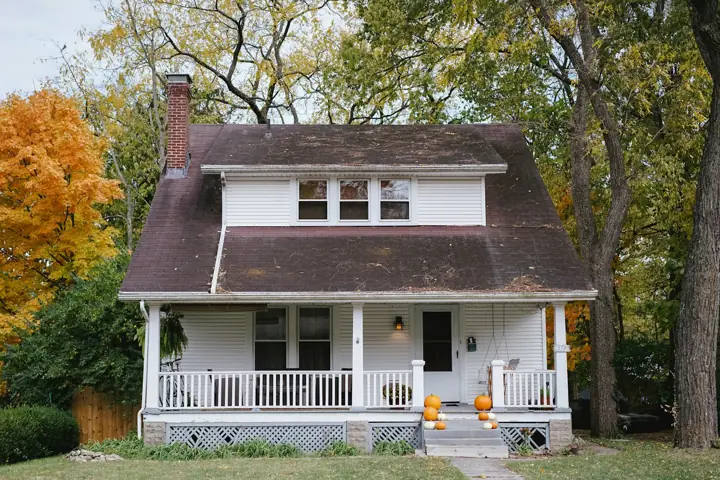
A Seattle home inspection is your chance to understand a house before you commit to it, and in this city that usually means more than a walk-through of the kitchen and bathrooms. Our housing stock includes many homes that are close to a century old, our climate is wet for much of the year, and we live in an earthquake region. A good inspector looks at all of that. Here is what to expect, what local issues come up most often, and how inspections fit into a competitive offer.
What a General Seattle Home Inspection Covers
A general inspection is a visual review of the home's accessible systems and components. Expect your inspector to look at:
- Roof, gutters, and exterior siding and trim
- Foundation, framing, and crawlspace or basement
- Electrical panel, wiring, outlets, and fixtures
- Plumbing supply, drains, and water heater
- Heating system, ventilation, and any cooling
- Attic insulation and ventilation
- Windows, doors, and interior surfaces
- Grading and drainage around the house
You will receive a written report, often with photos, that separates safety concerns and major issues from routine maintenance items. Plan to attend at least the end of the inspection so the inspector can walk you through findings in person.
The Side Sewer Scope
If there is one add-on almost every Seattle buyer should order, it is a sewer scope. A specialist runs a camera through the side sewer, the pipe that carries waste from the house to the public main. In Seattle, the property owner is generally responsible for this line, including the stretch that may run under the street.
Older homes often have clay or concrete pipes that can crack, separate at joints, or fill with tree roots. A scope can reveal those problems, and you can then get a repair estimate before you finalize your decision. Many sellers now provide a scope upfront, but it is still worth having your own specialist review the video.
Heating Oil Tanks
Many older Seattle homes were once heated with oil, and some still have tanks buried in the yard or sitting in a basement. A tank might be active, properly decommissioned, or simply abandoned. Look for clues like a fill pipe or vent pipe near the house, and ask the seller for any decommissioning records.
If a tank is suspected, an oil tank sweep or scan by a specialist can help locate it. Depending on what is found, testing or removal may be recommended. This is an area where getting expert guidance early pays off.
Roof Wear and Moss
Seattle's damp, shaded conditions make moss a regular visitor on roofs, especially composition shingle roofs under big evergreens. Moss holds moisture against the roofing and can shorten its life. Your inspector will note the overall condition, signs of wear, flashing details, and whether gutters and downspouts are working. If the roof is near the end of its life, consider a roofing contractor's opinion and estimate.
Drainage and Crawlspaces
With a long wet season running roughly October through April, water management matters. Inspectors look for:
- Soil sloping toward the foundation instead of away from it
- Downspouts that dump water right next to the house
- Standing water, efflorescence, or staining in basements
- Missing or damaged vapor barriers in crawlspaces
- Signs of rodents, wood rot, or excess moisture under the house
Many drainage issues are fixable with gutters, downspout extensions, regrading, or a sump system. The key is knowing what you are dealing with before you buy.
Seismic Concerns
Seattle sits in an active seismic region, so inspectors often comment on how well a house is tied to its foundation. Older wood-frame homes may lack foundation bolts or bracing on short "cripple" walls in the crawlspace. A seismic retrofit can address these issues and is a common upgrade here.
Brick homes deserve extra attention. Unreinforced masonry, including some older brick chimneys, can be vulnerable in an earthquake. If you love a vintage brick house, ask about any previous retrofit work and consider a structural engineer's opinion. The Seattle Department of Construction and Inspections has information on permits and seismic topics, and you can also check whether past work was permitted.
Older Electrical Systems
Homes from the early twentieth century may still have knob-and-tube wiring hidden in walls or attics, along with ungrounded outlets or panels that have been modified over the years. Some insurers and lenders have questions about older wiring, so it is smart to understand what is there. A licensed electrician can evaluate the system and estimate upgrades if needed.
Other Specialists to Consider
Depending on the home, you might also bring in:
- A structural engineer for foundation cracks or sloping floors
- A roofer for an older or complicated roof
- An arborist for large trees close to the house
- A pest inspector if there are signs of wood-destroying insects
- An HVAC technician for older furnaces or boilers
Pre-Inspections in a Competitive Market
When a home has an offer review date and is likely to draw several offers, some buyers complete a pre-inspection before submitting. This lets you offer without an inspection contingency while still understanding the house. The tradeoff is cost: you pay for an inspection on a home you might not win.
On homes with less competition, a traditional inspection contingency is often very reasonable. We help clients decide which approach fits each property. Our buyer page explains more about how we build competitive offers.
Turning the Report Into a Decision
Every report has findings, even on newer homes. Sort them into three groups: safety and structural issues, expensive systems near the end of life, and routine maintenance. Get estimates for the big items. Then decide whether to move forward, negotiate, or walk away, depending on your contract terms.
Sellers can benefit from this too. A pre-listing inspection lets you fix or disclose issues upfront. Learn more on our seller page.
Ready to start touring? Browse Seattle homes for sale, and when you find one you love, contact our team. We will help you line up trusted inspectors and make sense of every finding.
Frequently Asked Questions
How long does a home inspection take in Seattle?
A typical inspection of a single-family house takes a few hours, depending on size, age, and access to the attic and crawlspace. A sewer scope is usually scheduled the same day and adds a bit more time.
Is a sewer scope really necessary?
For most Seattle houses, yes. Repairs to the side sewer can be expensive, and the owner is generally responsible for the line, so a camera inspection is one of the best values in your due diligence.
What is a pre-inspection?
A pre-inspection is an inspection a buyer completes before submitting an offer, often ahead of an offer review date. It lets the buyer make a strong offer without an inspection contingency while still knowing the condition of the house.
Should I walk away if the inspector finds problems?
Every house has issues, so findings alone are not a reason to walk away. Focus on safety, structure, water, and costly systems, get repair estimates when needed, and decide whether the price still makes sense.
Can a seller do an inspection before listing?
Yes. Many Seattle sellers order a pre-listing inspection and sewer scope so they can fix issues or disclose them upfront, which can make buyers more comfortable.