When it comes to choosing or designing a home, layout is everything. A well-thought-out floor plan can significantly improve the way you live—from how efficiently you move through spaces to how comfortable you feel in your own environment. Whether you’re building a new home, renovating, or house hunting, understanding what makes a layout both functional and comfortable can help you make the right decision.
Let’s explore the best home layouts that prioritize both comfort and functionality—and why they work so well for today’s lifestyles.
1. Open Concept Living: The Modern Favorite
One of the most popular layout styles today is the open concept floor plan. This design eliminates unnecessary walls between key living areas—like the kitchen, dining, and living rooms—creating one large, flowing space.
Why it works:
-
Encourages interaction and connection among family members and guests.
-
Enhances natural light throughout the home.
-
Makes smaller homes feel more spacious.
-
Great for entertaining and social gatherings.
Best for: Families, entertainers, and anyone who prefers a spacious, airy feel.
2. Split Bedroom Design: Privacy Preserved
In a split bedroom layout, the master suite is separated from the other bedrooms, typically on the opposite end of the house. This layout is especially common in ranch-style and single-story homes.
Why it works:
-
Provides privacy for parents, roommates, or guests.
-
Reduces noise between sleeping areas.
-
Great for multi-generational living or work-from-home setups.
Best for: Families with older children, multigenerational households, or those needing guest rooms or home offices.
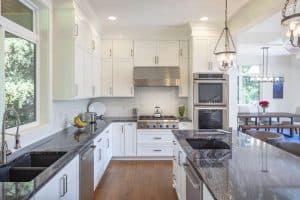
3. U-Shaped and L-Shaped Kitchens: Cooking with Flow
The kitchen is often considered the heart of the home, and its layout makes a huge difference in usability. U-shaped and L-shaped kitchens are two of the most efficient and ergonomic options.
Why they work:
-
Provide ample counter and storage space.
-
Offer efficient work triangles between the sink, stove, and refrigerator.
-
Can accommodate multiple cooks.
Bonus Tip: Add a central island or peninsula for even more counter space and social interaction.
Best for: Home chefs, families who cook together, or anyone who values an efficient kitchen layout.
4. Mudroom or Drop Zone: The Unsung Hero
A designated entry space, such as a mudroom, keeps dirt, clutter, and chaos contained at the door. This transitional area can include cubbies, hooks, benches, and storage for shoes, bags, and coats.
Why it works:
-
Keeps the main living area clean and clutter-free.
-
Adds functional storage right where you need it.
-
Serves as a practical buffer between indoors and outdoors.
Best for: Families with kids, pet owners, or active individuals who need a landing space when coming home.
5. Centralized Laundry Room: Convenience Counts
Placing the laundry room in a central, accessible location—such as near the bedrooms—can drastically improve day-to-day convenience.
Why it works:
-
Reduces the need to carry laundry up or down stairs.
-
Makes household chores quicker and more manageable.
-
Can double as a utility room or extra storage space.
Best for: Busy households, people who prefer efficiency, and anyone tired of hauling baskets across the house.
6. Multi-Purpose Spaces: Flexible Living
As lifestyles change, homes that offer flexible rooms—like bonus rooms, dens, or loft areas—are becoming more desirable. These spaces can evolve with your needs, serving as home offices, playrooms, guest rooms, or hobby areas.
Why they work:
-
Adaptable to different stages of life.
-
Ideal for hybrid work or school setups.
-
Can accommodate unexpected guests or new family members.
Best for: Remote workers, families, or creatives who need space that can grow with them.
7. Outdoor Living Integration: Extend Your Comfort
A smart layout doesn’t stop at the back door. Incorporating patios, decks, and outdoor living areas into the floor plan can increase usable living space and improve your connection to nature.
Why it works:
-
Encourages indoor-outdoor living.
-
Expands entertainment possibilities.
-
Provides peaceful spaces for relaxation.
Best for: Anyone who enjoys the outdoors, hosts gatherings, or wants a calm retreat right at home.
8. First-Floor Master Suites: Aging in Place
For long-term comfort, many homeowners now prefer a first-floor primary bedroom. This eliminates the need to climb stairs and provides easier access for those with mobility concerns.
Why it works:
-
Future-proofs your home for aging in place.
-
Adds resale value.
-
Keeps the bedroom close to main living areas.
Best for: Older homeowners, anyone planning to age in place, or people seeking long-term comfort and convenience.
9. Zoned Layouts: Smarter Use of Space
Zoning separates a home into distinct areas for different functions: public zones (living room, kitchen), private zones (bedrooms), and service zones (laundry, garage, mudroom). This layout improves organization and flow.
Why it works:
-
Enhances noise control and privacy.
-
Promotes natural traffic patterns.
-
Makes the home easier to navigate and manage.
Best for: Any household looking to improve livability and functionality.
Comfort Is Personal
The best home layout is the one that matches your lifestyle, preferences, and future plans. While open-concept living and split bedrooms are favorites, your daily routines, family needs, and future goals should ultimately guide your decision.
When touring homes or designing your dream space, don’t just focus on square footage—think about how the space works. Comfort comes from thoughtful design, and functionality ensures that every square foot serves a purpose.
After all, a home should do more than look good—it should make your life easier, better, and more enjoyable every day.